Zoe's story.
Living with a chronic illness
General information
Can you tell us something about yourself?
(For example your name, age, profession, hobbies)
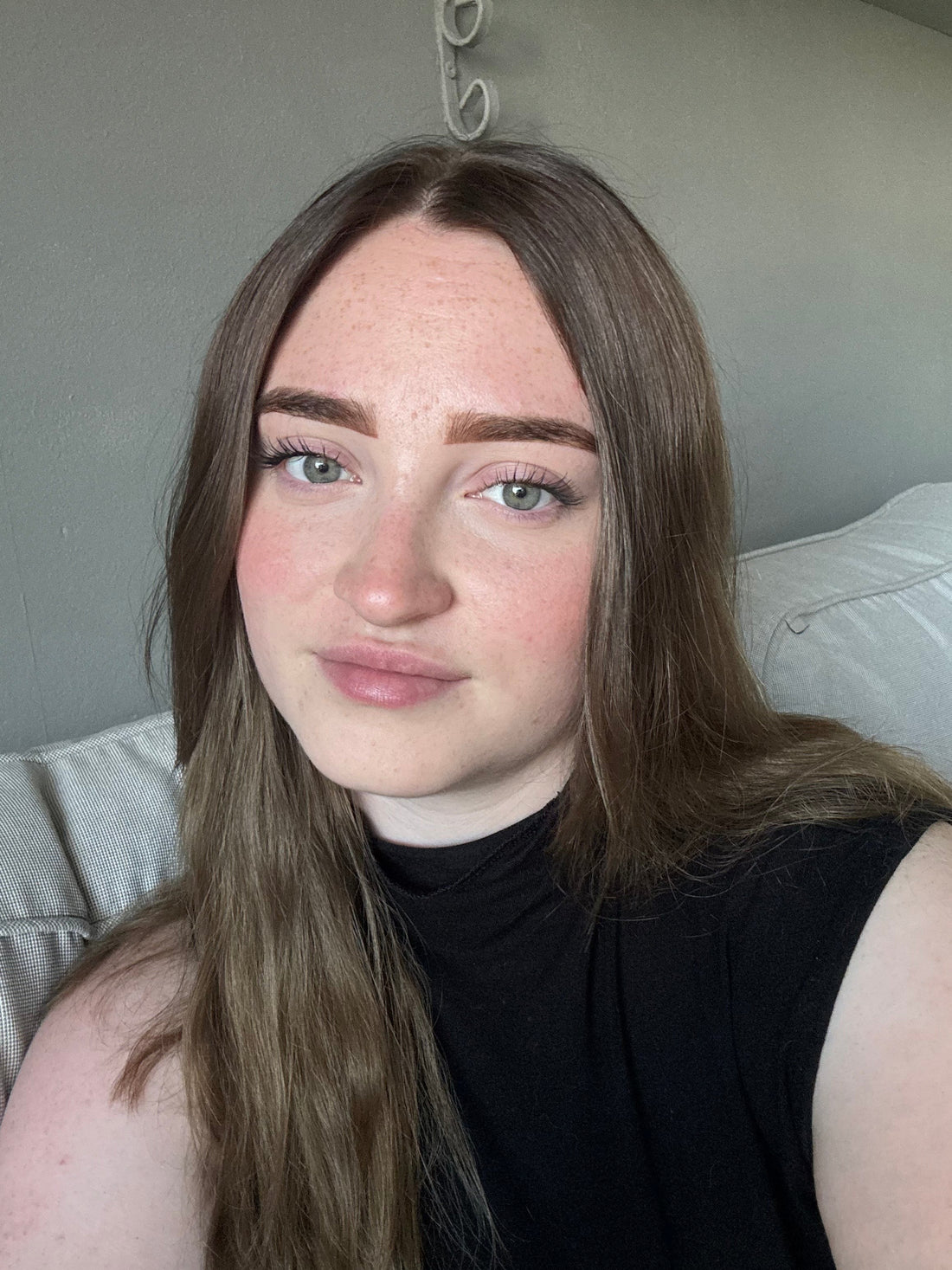
My name is Zoë, I am 20 years old, I work as an Onboarding Specialist and I really enjoy doing fun things with family or friends, such as having a drink or playing games.
What chronic illness do you have and when were you diagnosed?
I have endometriosis and have been diagnosed since October last year.
How was the process leading up to your diagnosis? (For example, quick, long, frustrating, or involved visiting many doctors.)
Unfortunately, it took a long time to get my diagnosis. I've been experiencing menstruation since I was 10, with many symptoms.
This prompted me to see a doctor, who almost immediately referred me to a gynecologist. From there, we embarked on a journey that lasted almost nine years, and finally, after numerous internal ultrasounds, MRI scans, and laparoscopy, I was diagnosed with endometriosis.
Impact on daily life
How does your illness affect your daily life?
This varies every week. One week might be great, with no symptoms, and the next week it might be very bad, with many symptoms.
What adjustments should you make to your routine?
I always have to remember to take my painkillers with me, if the pain is too bad I have to cancel fun plans and I had to make a lot of adjustments at my previous job.
How does your environment (family, friends, work) view your diagnosis?
Luckily, my mother tried to be as considerate as possible when I was younger. Often, she'd give me tea, a hot water bottle, or change my sheets because I'd leaked again.
The downside is that someone else doesn't know what you're feeling. This made it less believable over time, because there was no clear reason for my pain/complaints.
Physical and mental health
Which symptoms affect you the most?
I have daily pain, especially in my lower back and abdomen. My hormones can also be very imbalanced when I'm close to my period. I often have severe headaches and leg pain.
How do you cope with the mental impact of your illness?
Before my diagnosis, I struggled mentally with the feeling that something wasn't "right," but I couldn't get any clarity on what it was. I also often felt like I came across as untrustworthy or that I was whining when I mentioned being in pain.
After my surgery, I'm noticing some trauma. Still, I try to portray to the outside world that everything is always fine, because you just have to keep going. Because of this, I often hear, "Oh, but I don't see that you're in pain every day."
I do think it is important that a better picture is created, so that endometriosis is also seen as a disease that has a major impact not only physically, but also mentally.
Do you have any specific aids or treatments that help you?
I have been taking diclofenac 50 mg with 2 paracetamols for 6 years when the pain is more severe
Medical care and experiences
Do you have positive or negative experiences with doctors and specialists?
In nine years, I've seen 12 different gynecologists, each one worse than the last. They often told me I was overreacting or that it was all in my head. They told me to take extra paracetamol because that's "part of" your period.
I also ended up in the emergency room twice with suspected appendicitis, even though the ultrasounds showed nothing. In hindsight, it's clear that this severe pain was caused by the endometriosis.
Fortunately, I now have a gynaecologist who specialises in endometriosis and who really listens to me and looks at the person behind the disease.
What would you like doctors to understand better?
Really listen to your patient, because someone is there for a reason. It's understandable that as a doctor, you don't have an immediate solution or treatment, but a listening ear offers much more than you think.
What solutions or treatments have worked well for you?
Diclofenac is a supportive medication for me and unfortunately doesn't take away all the pain. My surgery thankfully took away a little bit of the pain, but it helped me a lot mentally because I finally knew what I had and that I wasn't crazy all these years.
Support and community
Have you found support from peers or online communities?
Yes, after my operation I started looking for fellow sufferers through a Facebook group.
What does support mean to you, and what helps you most?
For me, support means that someone tries to understand you, thinks along with you in difficult situations, asks how you are doing, shows interest and that you feel that you can tell someone everything.
Tips and advice
What advice would you give to someone who has just been diagnosed?
Take your time and let go of the realization. If you move on too quickly, you might end up having problems later.
What advice would you give to healthy people about living with a chronic illness?
Empathizing with someone who is chronically ill is incredibly difficult. Genuinely listening and showing interest helps enormously. You often don't see that someone has something, but that doesn't mean it's not there.
Future and hope
How do you view the future with your illness?
I still hope I'll find something that will suppress my pain and symptoms. I hope the same for everyone with a chronic illness. Above all, I hope there will be more acceptance and respect for this difficult disease.
Do you have certain goals or dreams that you want to achieve despite your illness?
I'm actually trying to do everything I want to achieve. I'm trying to let this illness hold me back as little as possible, but a long journey would definitely be fun.
Love,
Zoe