Melissa's story.
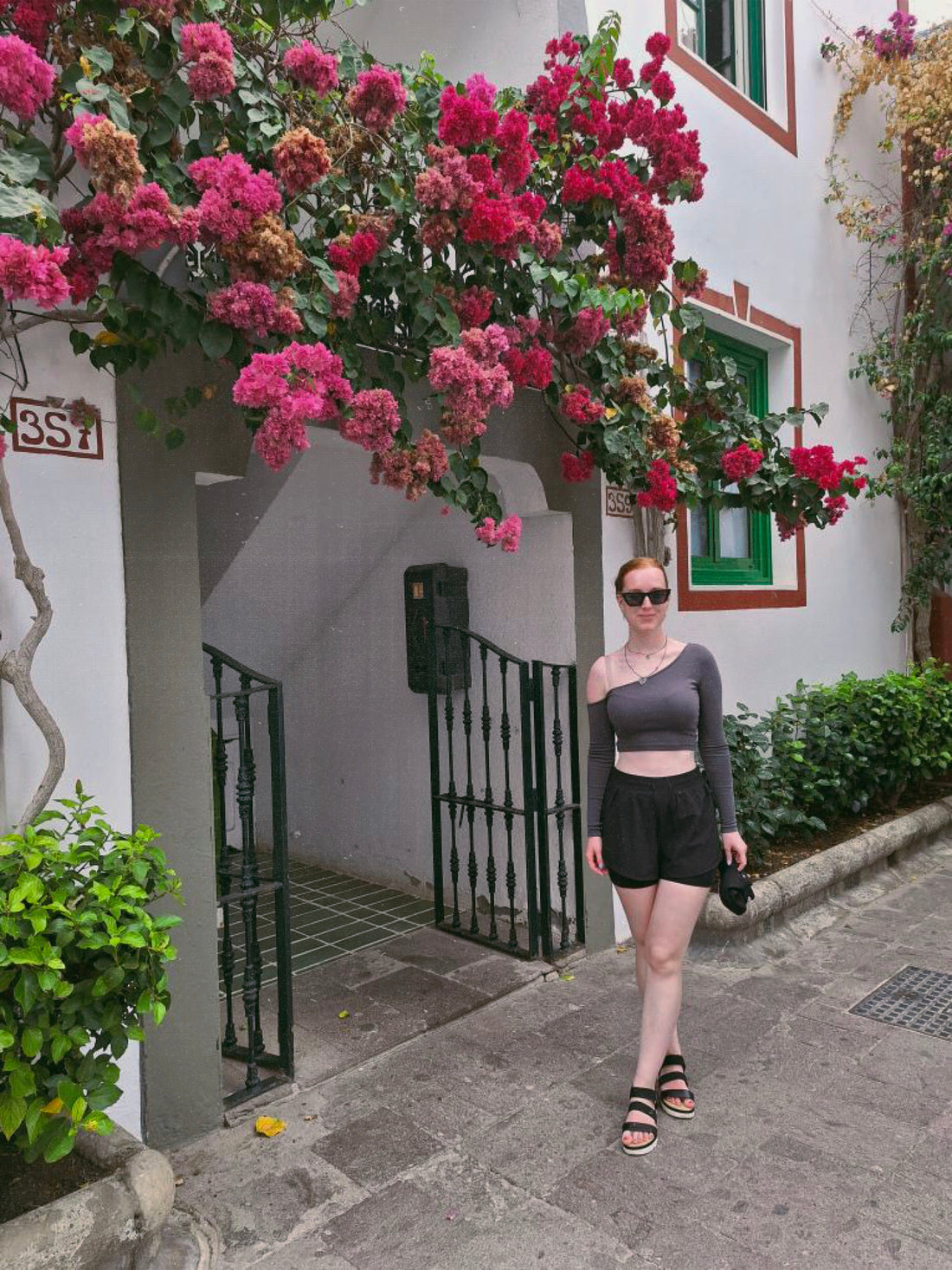
Living with a chronic illness
General information.
Can you tell us something about yourself?
(For example your name, age, profession, hobbies)
I'm Melissa, 26 years old, and unfortunately currently unemployed due to my chronic illness. Luckily, I have some enjoyable hobbies, such as journaling, coloring and drawing, learning guitar, reading, and also, among other things, going to concerts.
What chronic illness do you have and when were you diagnosed?
I have deep endometriosis and was only diagnosed three months ago. I had an internal ultrasound, as they couldn't see much on the external ultrasounds.
How was the process leading up to your diagnosis? (For example, quick, long, frustrating, or involved visiting many doctors.)
Unfortunately, since I started menstruating at age 11, I've always had severe pain and heavy bleeding. I couldn't stand, and I often felt nauseous, almost to the point of vomiting. My GP quickly put me on the contraceptive pill, but that never alleviated my symptoms. For years, I wasn't taken seriously and was passed from pillar to post. Finally, I was referred to a gynecologist, and now I have a diagnosis. I also had an MRI scan; I'll get the results and then find out what my treatment plan will be. It's very frustrating because my symptoms and pain are getting worse and worse.
Impact on daily life
How does your illness affect your daily life?
I've worked in various shops where you have to stand all day and do heavy work. Unfortunately, I've lost another job. I worked in a clothing store for six months, but due to my endometriosis, I was sick too often. It's too much for me because I suffer from a lot of nerve pain in my legs, which prevents me from standing for long periods. I also have a lot of pain in my abdomen, uterus, ovaries, back, shoulders, and chronic fatigue. This often makes it difficult to do anything. I do try to stay active by walking the dog or doing short chores around the house. I used to love running, but unfortunately, that's almost impossible now. I hope something will be done soon so I can do more and find a suitable job. At concerts, I often have seats, and if there aren't any, I lean on my sister for support. If it's really too much, I leave early.
What adjustments did you have to make to your routine?
I can't really run anymore, which I used to do three times a week. I can't do much physically in one day. I still live at home, but for example, by the time I've cleaned my room, my energy is already gone. It hinders me in many things because standing for long periods is impossible, so I do most of what I can do sitting. It makes me incredibly sad, because I'm someone who likes to be active and keep moving.
How did those around you (family, friends, work) react to your diagnosis?
My mother has been very understanding and supportive from the start; she always comes with me to my hospital appointments. If things don't go well, she doesn't blame me. Unfortunately, it's different with other families and people I know, and I experience a lot of misunderstanding and blame when I can't do something because of my symptoms and pain. They often don't understand the physical and mental impact it has on my body and my life. It's very frustrating for me because I live with this every day, having to adapt my life and give things up. Mentally, it also takes a toll, and when people are rude and unsympathetic, it really hurts me. It's annoying to constantly feel like you have to prove yourself to them. Just because people don't see something doesn't mean it's not there.
Physical and mental health
Which symptoms affect you the most?
The nerve pain in my legs, the pain in my stomach and the chronic fatigue.
How do you cope with the mental impact of your illness?
I love writing poetry, and that's always been my way of expressing my feelings and emotions. I'm making videos on my TikTok account about my life, what I do, what makes me happy, how I cope, and I want to share my poetry there as well. I'd love to help others with this and make them feel like they're not alone. I'm working on getting a referral to a psychologist to help me cope better, as it has a significant mental impact, and talking a lot always helps me.
Do you have any aids or treatments that help you? (e.g. medication, therapy, aids)
I've tried various birth control pills, none of which reduced my symptoms. I've also tried naproxen and tramadol, but unfortunately, my pain persists throughout. Even though I know it's not a 100% guarantee and is risky, I'm still hoping for surgery, where they might be able to see and remove more. Everything I've tried so far simply doesn't help, and I'm experiencing pain and symptoms in more and more areas.
Medical care and experiences
Do you have positive or negative experiences with doctors and specialists?
I'm mainly negative now because I constantly have to wait and hear, "Oh, try this pill or this one." I believe that so many medications aren't healthy and unfortunately aren't effective or helpful for everyone. So far, nothing has really helped. If the hospital I'm in now can't and won't help me, I'll get a second opinion somewhere else.
What would you like doctors to understand better about your illness?
It's having a major impact on my daily life, and I simply can't work anywhere because of it. I also need to be able to continue paying everything I need to. I don't want to be dependent on others.
What advice or treatments have worked well for you?
Unfortunately, nothing yet.
Support and community
Have you found support from peers or online communities?
Because of my illness, people unfortunately tend to walk away, and I've lost many friends because they find it exhausting or complicated. Some even think I'm exaggerating. Fortunately, I've found an endometriosis community where we talk to each other daily, support each other, and share our experiences. It's wonderful to have a group of women who understand exactly what you're going through.
What does support mean to you, and what helps you most?
Support is incredibly important to me because it makes you feel like you're not completely alone. It's comforting to know you have people there for you and to give you a pep talk when you're feeling down. Being understanding and there for someone, going with them to appointments, and offering help when you can't manage things yourself means a lot to me.
Tips and advice
What advice would you give to someone who has just been diagnosed?
Take the time to process it, however long it takes. It's a big deal to be told you'll have a chronic illness for the rest of your life. Give yourself time to process this and find the best way to cope. Maintain your boundaries. If something isn't working, speak up, and don't let anyone tell you it's all in your head. If you're not being taken seriously or getting the right help, don't give up looking for other hospitals. Focus on the things you can still do that bring you fulfillment and happiness, but above all, remember you are not alone!
What advice would you give to healthy people about living with a chronic illness?
Just because you can't immediately see something in someone doesn't mean it's not there. Think before you speak, do your research, or ask questions before judging. While it can be difficult to imagine someone living with pain and other ailments every day, do your best to understand and be there for them.
Future and hope
How do you view the future with your illness?
Although I'm now mourning the life I thought I could have, and my future is very uncertain, given that I don't know what I'll be able to do in a few years, I'm staying positive. I draw strength and happiness from the smallest things and will keep fighting. No matter how you look at it, I unfortunately have to live with this, so I'm still making the best of it. It's sometimes very difficult, but music, talking about it a lot, and writing poetry are helping me through it, along with the support of others.
Do you have certain goals or dreams that you want to achieve despite your illness?
I hope to one day find a job that suits me and that can take into account that I don't always feel well and would like to see more of the world so travel a lot if that is ever possible.
Love,
Melissa