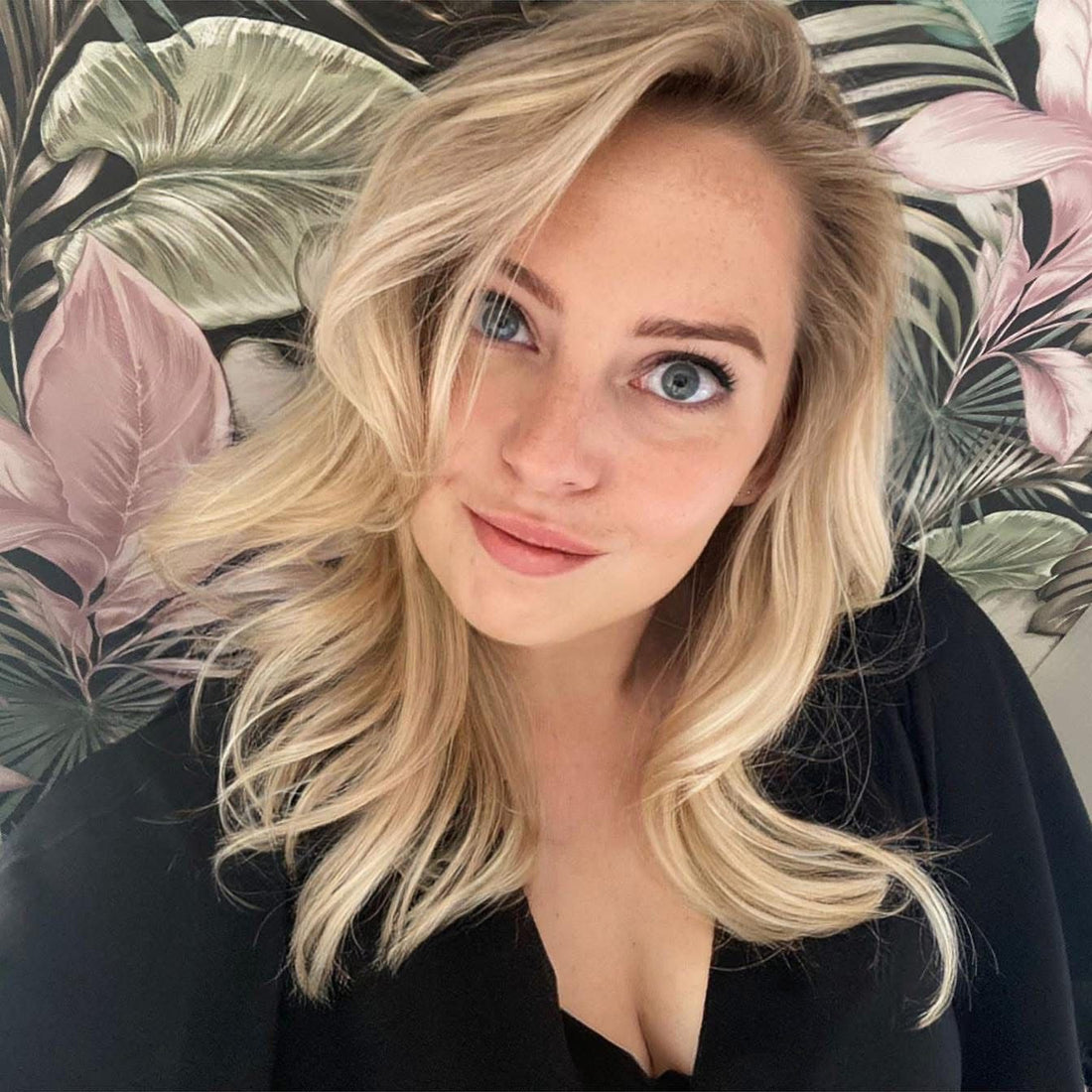
Marielle's story.
Living with a chronic illness
General information
Can you tell us something about yourself?
(For example your name, age, profession, hobbies)
My name is Mariëlle, 31 years old. I'm the founder of Jong&MS, a platform for young people with MS between the ages of 18 and 40. I also enjoy the little things in life and every good day.
What chronic illness do you have and when were you diagnosed?
I have been diagnosed with MS since 2014. Before that, I had been experiencing symptoms for a long time, and it took a while before the diagnosis was definitive.
How was the process leading up to your diagnosis? (For example, quick, long, frustrating, or involved visiting many doctors.)
It took me at least eight years to finally receive the definitive diagnosis. From childhood, I regularly experienced symptoms that often came in phases. First, I wasn't taken seriously for a long time, and then I received a possible diagnosis of MS. It took a while before it was definitive due to several mistakes at the hospital. That period was very frustrating because your body increasingly exhibited symptoms and you felt unheard. In retrospect, I should have received the diagnosis years earlier, and therefore also received treatment sooner. The diagnosis didn't come as a surprise to me. I had been experiencing symptoms for years, and my grandmother and a cousin also have MS, so I knew what the disease could do and how it affected someone. In the period immediately following my diagnosis, I thought things would be simpler after a definitive diagnosis. I was wrong about that; a new rollercoaster of finding the right balance and treatment actually only began then. Even after all these years, that remains a challenge.
Impact on daily life
How does your illness affect your daily life?
MS has become part of my life. I suffer a lot from fatigue and residual symptoms from previous attacks. After an MS attack, you always lose something, forcing you to respond to your symptoms. Sometimes new symptoms arise. Unfortunately, I'm no longer working, but I do volunteer for Jong&MS.
What adjustments did you have to make to your routine?
I've had to incorporate much more rest, plan carefully, and balance my activities. After a major medical appointment, I'm often drained of energy. Fortunately, with careful planning, I can also find time to relax, but that's trial and error. What works today might not work next week.
How did those around you (family, friends, work) react to your diagnosis?
Fortunately, I have a lot of support from the people around me, especially those close to me. They see what you're going through, both the good and the bad. I've also experienced misunderstandings, sometimes from unexpected quarters. People don't see it in you, so they interpret it in their own way. They don't see that you have to undergo grueling treatments or sometimes can't leave the house for a week. They see the two hours you were able to do something fun, but not the penalty you have to pay for it because your body needs to recover. Fortunately, I can let that slide now, but it's never fun to experience misunderstandings. I'm very open about everything that comes with it, and I find that it does lead to valuable conversations. If someone can't stand you at your worst, they don't deserve you at your best.
Physical and mental health
Which symptoms affect you the most?
The fatigue and residual complaints I have from previous attacks affect my life the most.
How do you cope with the mental impact of your illness?
I'm naturally very positive and enterprising, and I think that makes a huge difference. If things don't go my way, I'll figure out a way B or C. Despite that, I can also have my down moments, and I think they're allowed to be there. That's logical and natural; life isn't all fun and games. It's important not to get bogged down in that and to look at the positive side of things.
Do you have any aids or treatments that help you? (e.g. medication, therapy, aids)
I am taking anti-inflammatory medication for my MS that slows down the disease process.
Medical care and experiences
Do you have positive or negative experiences with doctors and specialists?
I've experienced both the positive and negative aspects of healthcare providers. It's important that doctors truly see you as a person and don't treat you like a number. Sometimes they forget that we carry an illness 24/7 and therefore know exactly what works for them and what doesn't.
What do you wish doctors understood better about your illness?
I hope doctors will read more, but above all, be open to patients' stories. While they have the knowledge from books, we are the true experts. By listening to each other and working together, you make progress and can learn from each other. Well-suited treatment is so personal, and giving patients control is incredibly important.
What advice or treatments have worked well for you?
My GP was a great support for me, in addition to my personal support system. He always said, "Don't let yourself get crazy; you know what you're feeling."
Support and community
Have you found support from peers or online communities?
Yes, incredibly! When I first received my diagnosis, I only saw people in their forties and fifties at rehabilitation centers and in the hospital. They have the same illness, but in completely different stages of life. When I started an online community for young people, many young people quickly joined. Because we're in the same stage of life and we're often very resilient and positive people, you quickly connect. Sometimes it's just nice to be able to talk about both the good and bad sides of the illness. It also provides recognition and acknowledgement; you know you're not alone. I'm amazed at how involved people who don't know each other are, how the members support each other or later ask, "How are you doing?" That's wonderful to see.
What does support mean to you, and what helps you most?
Support can come in all sorts of ways. Sometimes it's offering distraction, talking about difficult issues, or just venting. It's comforting to be able to vent and discuss certain topics. This makes things bearable, but often also provides positive energy, allowing you to look to the future with an open mind or a positive outlook. This support can come from close people like family and friends, as well as from people in a similar situation. You often only truly get to know the people you can truly rely on when you become (chronically) ill.
Tips and advice
What advice would you give to someone who's just received a diagnosis? Trust yourself; you know what you're feeling and when something isn't right. I'd also like to say that whatever energizes you grows. Focus on the people you love, the things you enjoy, and don't pay too much attention to other people's opinions. People or things that only drain your energy aren't worth it.
What advice would you give to healthy people about living with a chronic illness?
I hope people become more aware of the impact an illness can have on someone. Fortunately, it's not always written on someone's forehead, but prejudices and assumptions don't help either you or the person involved. Don't try to fill in too much for someone else and engage in genuine conversation. A chronic illness becomes part of someone, but it doesn't define them.
Future and hope
How do you view the future with your illness?
Despite everything, I'm actually feeling positive. Happiness for me lies in the little things, and I don't look that far ahead anymore. I live day by day. My body has been through a lot, and there are still difficult moments. But I also know that despite everything, I can handle a lot and always find a way to do something. Even though my body often lets me down, I'm also very proud of it.
Do you have certain goals or dreams that you want to achieve despite your illness?
I especially want to keep doing the things that make me happy and spending time with the people I love. A cup of coffee in the sun, seeing my friends, enjoying music, or the beach makes me very happy. I hope Jong&MS will continue to grow thanks to a fantastic team of volunteers. They have shown me that you can turn something negative into something positive. The disease isn't fun, but at the same time, it has allowed me to meet so many new people and give me a different perspective on life. Jong&MS has become the platform I missed after my diagnosis. It makes me so happy when I hear from someone that an article or the experiences of others have been very helpful. No one should feel alone.
love,
Marielle