Devney's story
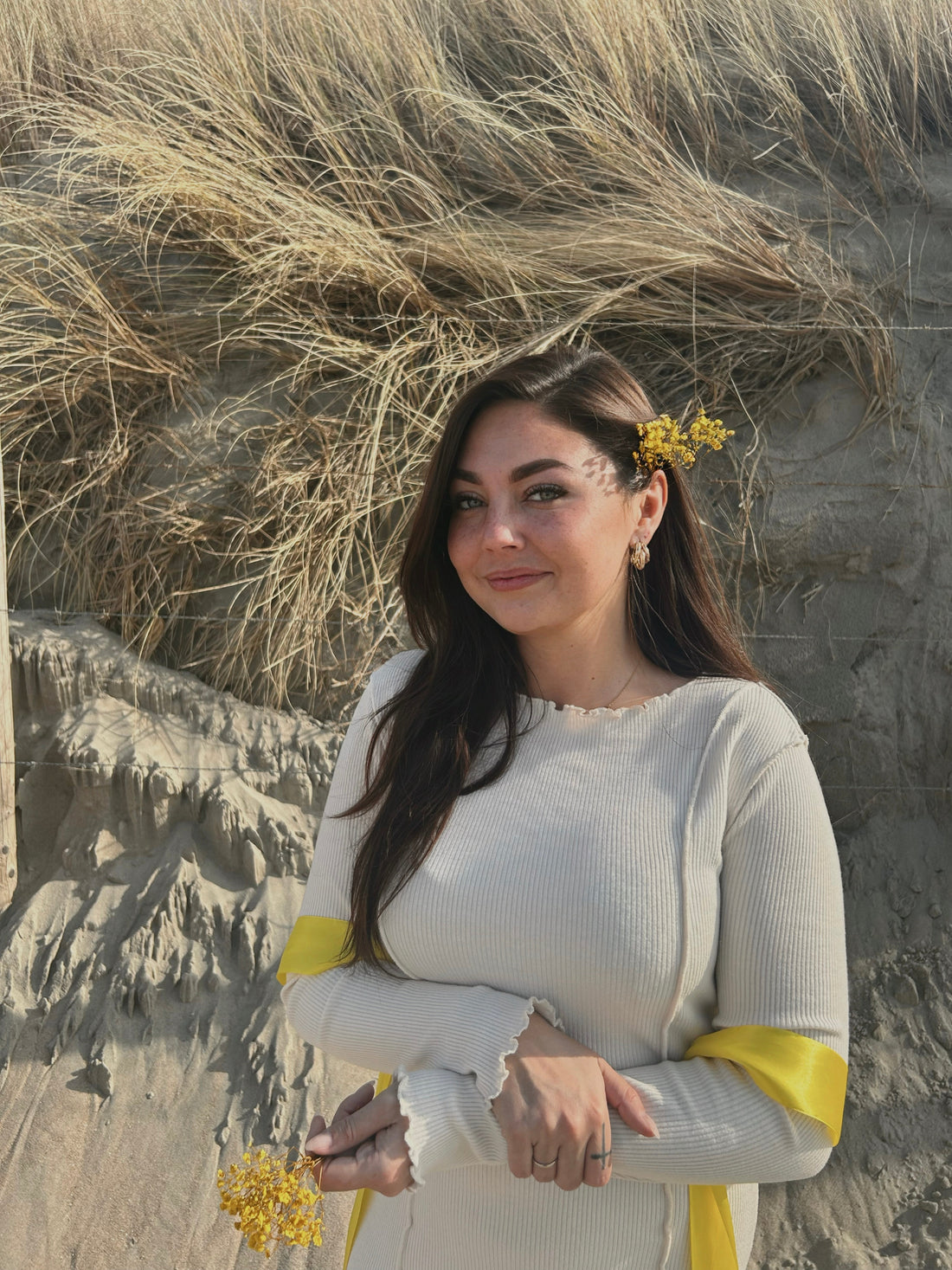
Living with a chronic illness
General information
Can you tell us something about yourself? (For example, your name, age, profession, hobbies)
My name is Devney and I'm 31 years old. My hobby and profession are my company DVYR, enjoying the little things, and creating as many beautiful memories as possible.
What chronic illness do you have and when were you diagnosed?
Endometriosis and adenomyosis. I received these diagnoses when I was 26. I'm also suspected of having fibromyalgia, and I should really get tested for Tethered Spinal Cord Syndrome, as there's a high probability of it.
How was the process leading up to your diagnosis? (For example, quick, long, frustrating, or involved visiting many doctors.)
Unfortunately, this took a very long time. It took 11 years before I finally received a diagnosis. I've seen many doctors, undergone tests, and have now undergone two surgeries, including the removal of organ fragments. In short: it's still a slaughterhouse.
Impact on daily life
How does your illness affect your daily life?
I lost my job due to my illness, and unfortunately, I'm limited in everything I do every day. I have to constantly be mindful of this.
What adjustments did you have to make to your routine?
A lot. My work has been forced to adapt. I have to consider how things are going that day. If I do too much or walk too long, my legs start to fail. I also live in pain 24/7.
How did those around you (family, friends, work) react to your diagnosis?
Luckily, my mother always believed in me. But many people thought I was making it up or making it up for attention, because doctors said there was nothing wrong. I lost many friends and family because of it.
Physical and mental health
Which symptoms affect you the most?
The pain, the numbness in my legs and the fact that I had to adapt my life to my illness.
How do you cope with the mental impact of your illness?
I suffered from medical trauma for a long time after my first surgery. I remember being in critical condition and nearly needing a blood transfusion. I was a shell, driven by medication. I saw my loved ones sitting by my bedside, crying. Thinking, "I'll get through this, I'll get better." This had a huge impact and shows what such an illness can do to you.
Besides, you have to keep going. It sounds harsh, but you can't change anything. I've noticed that sometimes you can really get sucked into the darkness by your illness and symptoms, but that only makes it worse. I always try to stay positive, because I can't change anything anyway. And honestly: the world is still a beautiful place, and there are plenty of things you can do, even if they're sometimes small.
Do you have any aids or treatments that help you? (e.g. medication, therapy, aids)
I'm on strong painkillers and have a cane (I sometimes really need it, but whether I use it is another matter. I still find it a real hurdle). I should also apply for a disabled parking permit, because I need one, but that still feels like a big hurdle.
Medical care and experiences
Do you have positive or negative experiences with doctors and specialists?
Mostly negative ones. I saw hundreds of doctors before I got a diagnosis. Unfortunately, I also saw a few "specialized" doctors who shouldn't be called that. But thankfully, there are also some truly good doctors. If I'd been believed right away, I might still have my bowels, and the damage wouldn't have been so severe.
What do you wish doctors understood better about your illness?
Immerse yourself in the illness, listen to the patient. Don't be so stubborn; just because a book says "this" doesn't mean it can't be "another." Every body is different. Immerse yourself in your patient and look for a solution together.
What advice or treatments have worked well for you?
Working with my doctor to find what works for me. He supports me in everything and also lets me come up with ideas. Together, we determine whether they're feasible or not. It's a personal journey. What works for one person might not work for another. Track things like your diet, stressful moments, etc., so you gain insight into potential triggers. From there, you can see if anything can be done about it. Nutrition can really provide relief.
Support and community
Have you found support from peers or online communities?
Absolutely. Five years ago, I created an anonymous Instagram account because there was almost nothing about it online. I was looking for people in the same situation, someone who understood me. That eventually grew into a Facebook group that now has 2,200 members. It's so wonderful to have each other and to be able to connect with people who truly understand you.
What does support mean to you, and what helps you most?
Someone who's there for you in good times and bad. Sometimes just a listening ear or someone dropping by for coffee is enough. The idea that someone makes an effort to understand your situation and is there for you even when you're at your worst means so much.
Tips and advice
What advice would you give to someone who has just been diagnosed?
Take time to process it. Talk to others in the same situation about what works for them and find what works for you. Please try to listen to your body and rest when needed. Speak up, don't bottle it up! You don't have to do this alone.
What advice would you give to healthy people about living with a chronic illness?
Learn about the illness. You don't need to know everything, but show interest or just be there for someone sometimes. Just because someone withdraws or is quiet doesn't mean they don't want to see or talk to you; often, they just don't want to be a burden.
Future and hope
How do you view the future with your illness?
Positive! Even though I know my third surgery is coming up, which I absolutely refuse at the moment, I'm enjoying the little things and living in the moment. Tomorrow everything could be different. Life still has so much beauty to offer.
Do you have certain goals or dreams that you want to achieve despite your illness?
Growing my business so I can help even more people. I get a lot of energy from this and find it important to be there for each other as a community.
Love,
Devney